


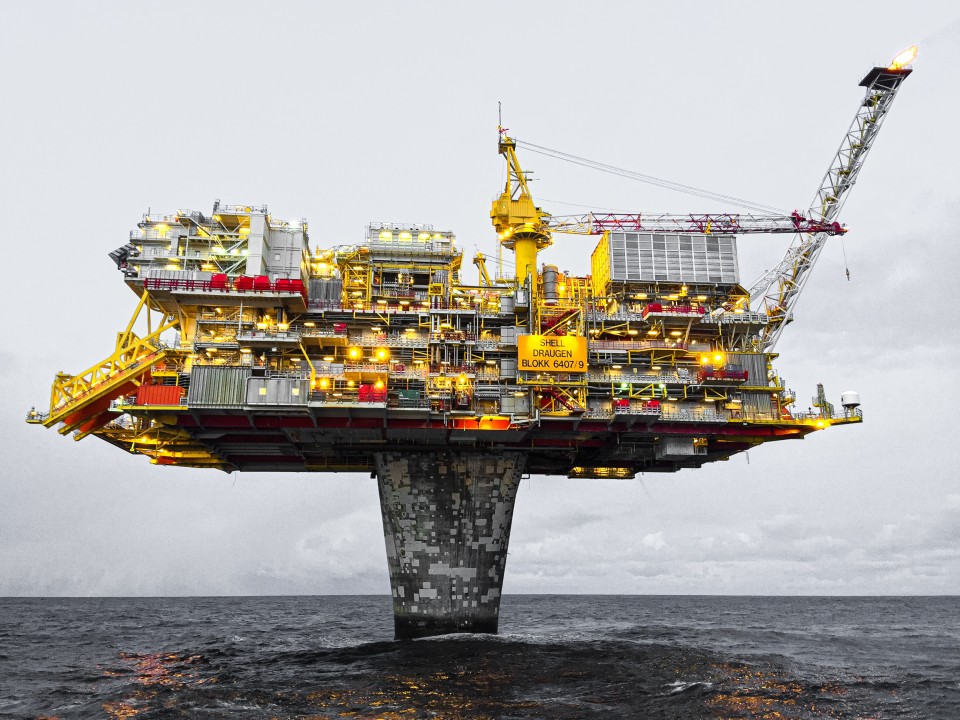
The oil and gas industry has long been the backbone of global energy supply, driving economies and shaping geopolitics. Despite advancements in renewable energy, oil and gas remain indispensable resources, powering transportation, heating homes, and fueling industries. However, the sector is not without its challenges, including fluctuating prices, environmental concerns, and geopolitical tensions. Navigating these dynamics requires a nuanced understanding of market trends, technological innovations, and regulatory landscapes.
Market Dynamics:
The oil and gas market is inherently volatile, influenced by factors such as geopolitical events, supply and demand dynamics, and economic conditions. OPEC (Organization of the Petroleum Exporting Countries) plays a significant role in oil prices through production quotas and market interventions. Additionally, geopolitical tensions in regions rich in oil reserves can disrupt supply chains and escalate prices.
Technological Advancements:
Technological innovations have revolutionized the oil and gas industry, enabling companies to extract resources more efficiently and cost-effectively. Techniques such as hydraulic fracturing (fracking) and horizontal drilling have unlocked previously inaccessible reserves, transforming the energy landscape. Furthermore, advancements in digital technologies, such as AI-powered analytics and IoT (Internet of Things) sensors, have optimized operations, enhanced safety, and reduced environmental impacts.
Environmental Considerations:
The oil and gas industry faces mounting pressure to address its environmental footprint, particularly concerning greenhouse gas emissions and pollution. Companies are increasingly investing in cleaner technologies, carbon capture and storage (CCS), and renewable energy projects to mitigate their impact. Additionally, stakeholders are demanding greater transparency and accountability regarding environmental practices, driving the adoption of sustainability initiatives and ESG (Environmental, Social, and Governance) standards.
Transition to Renewable Energy:
The global push for decarbonization is reshaping the energy landscape, prompting oil and gas companies to diversify their portfolios and invest in renewable energy sources such as solar, wind, and hydrogen. Many major players are integrating renewable energy projects into their business strategies, recognizing the long-term viability and growing demand for clean energy solutions. This transition presents both challenges and opportunities, requiring strategic planning and adaptation to evolving market dynamics.
Regulatory Landscape:
Regulatory frameworks play a crucial role in shaping the operations and competitiveness of the oil and gas industry. Governments enact policies to ensure environmental protection, promote energy security, and regulate market behavior. Additionally, international agreements such as the Paris Agreement influence industry practices by setting emissions reduction targets and promoting sustainable development. Compliance with regulations and adherence to best practices are essential for maintaining license to operate and fostering stakeholder trust.